
Episode
288
Contractors don’t wake up trying to run unsafe job sites.
They’re trying to keep jobs moving, keep customers happy, and keep payroll covered.
That’s why safety often becomes reactive: you deal with it after something goes wrong.
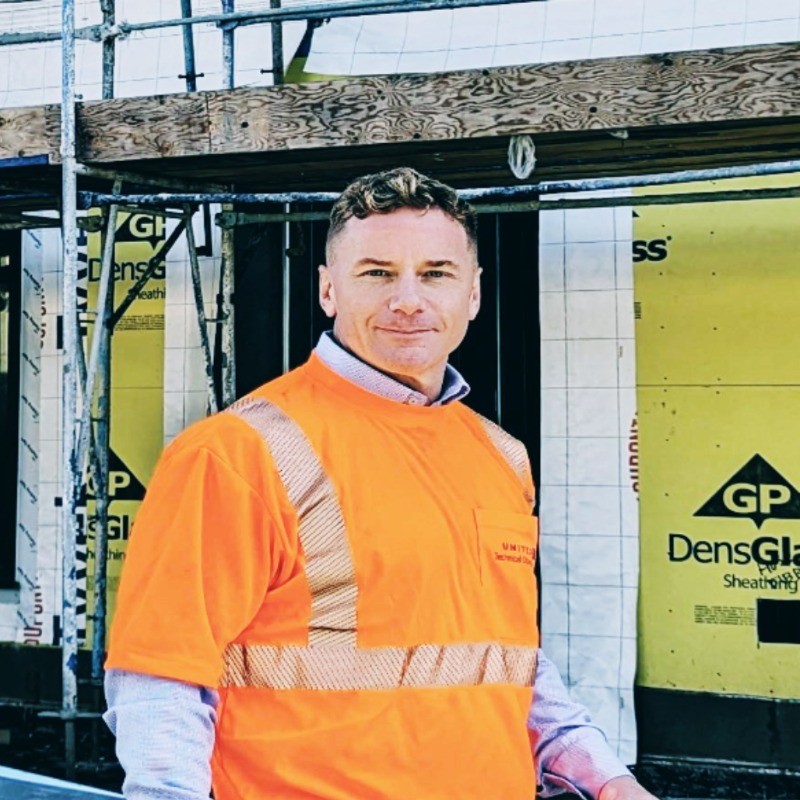
In this episode, Dominic Rubino talks with Eric Wick, founder of Safety Team Technologies, about how OSHA compliance actually works in the real world—and how contractors can build a safety system that protects both people and profits.
Eric explains that OSHA problems typically show up in a few predictable ways:
The point isn’t to scare you. It’s to help you see the “test” before you walk into the room.
Eric calls it the three-headed dragon:
When those hit at the same time, it’s not just stressful, it can put real pressure on your business.
A lot of companies have an IIPP (Injury & Illness Prevention Program). That’s good.
But Eric makes a key point:
Having the binder isn’t enough if it’s collecting dust.
Auditors don’t just want to see a document. They want to see proof that you’re actually doing the work:
This is the brutal truth:
Most contractors will do a safety talk… once or twice… and then it fades out.
And when it does happen, the paperwork is usually:
That’s why tracking who attended (and what they were trained on) becomes the pain point.
Dominic brings up a reality we see everywhere:
Most foremen get promoted because they’re the best worker, not because they’re trained leaders or trainers.
So now you’re asking a foreman to:
That’s a setup for inconsistency unless you simplify the system.
Eric explains how contractors are using short, job-relevant training videos and automated tracking to remove the burden from foremen.
The win is “management by exception”:
If two guys are compliant and one isn’t, you don’t lecture the whole crew—you coach the one person who’s missing.
Safety isn’t a “nice to have.”
It protects:
If you prevent one claim, the payoff can be massive.
Listen to the full conversation with Eric Wick and decide what your next step is:
And if you want to learn more about Eric’s company, check out Safety Team Technologies (oursafetyteam.com).
More about Eric Wick: LinkedIn | Company LinkedIn |Site
Connect with us:
Website: Profit Toolbelt Podcast
Instagram: @ProfitToolbelt_
Facebook: Profit Toolbelt
Youtube: @profittoolbelt4527
.svg.webp)


